Teach. Facebook. Now.

We keep blocking Facebook instead of teaching it, even though most of our students use it and few understand privacy, reputation, and public exposure in that space.

What’s Changed? (2009 Version)

We always get in this reflective mood at the end of the year, trying to put some form to what’s changed, both in our own practice and in the larger conversation about schools. Despite more traveling, more PLP work, and deeper on-the-ground conversations, it still feels as if traditional practice remains deeply ingrained and truly transformative change is rare.

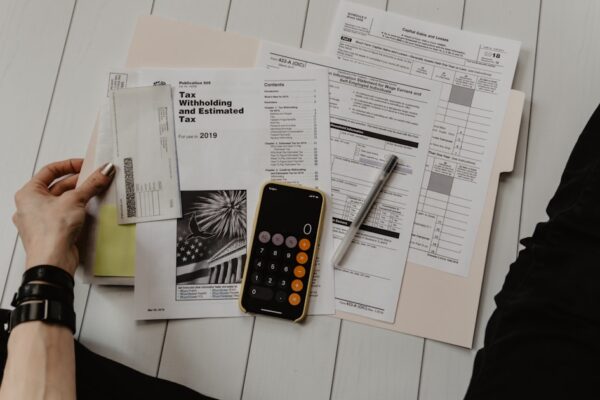
Get. Off. Paper.

We keep finding ourselves using less and less paper in our lives, yet schools and workshops are still overflowing with it. If our students’ futures won’t be paper-based, we need to start doing as much as we can to get off paper now.

Filter Fun

We’ve been running into school Internet filters more than usual lately, and the problem seems to be getting worse instead of better. When teachers and even administrators can’t reach basic tools like Gmail, Google Docs, YouTube, or Wikipedia, it not only leaves students unprepared for the unfiltered world they actually live in, it also undermines the professionalism of educators. The only way students and teachers will ever really master the Web is by being allowed to use it.

What We Hate About Twitter

We’ve liked Twitter since we first started playing with it last year, but there are some things that are really starting to annoy us about these 140-character “conversations” that we’re carrying on there, server issues notwithstanding.

Here Comes Everybody

Reflections on Clay Shirky’s “Here Comes Everybody,” the changing role of institutions like schools in an age of easy group forming, and why we need to rethink information, assessment, and our own assumptions in the midst of an epochal change.

The $98 Million Ed Tech Nightmare

Interesting op-ed in the Washington Post by a 30-year English teacher at an Alexandria, Va. school that just spent $98 million on renovations and technologies that none of the teachers want to use.